Static vs. Dynamic QR Codes: Why Your Safety Labels Might Be a Time Bomb
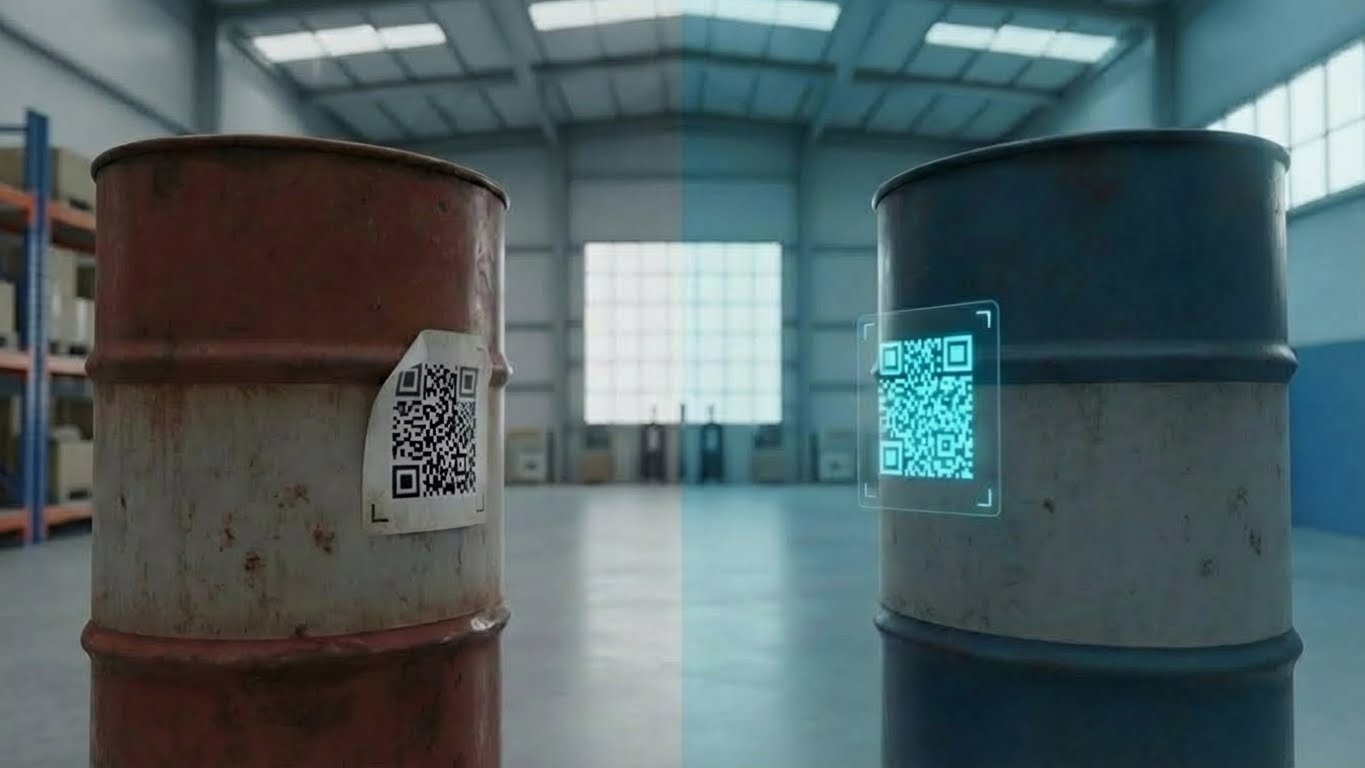
If you are starting to digitize your COSHH register, you’ve likely come across two types of QR technology: Static and Dynamic. At first glance, they look identical—a square of black and white pixels. However, underneath the surface, the difference between them is the difference between a system that works for a week and one that works for a decade.
For H&S professionals, choosing the wrong one isn't just a technical glitch; it's a potential compliance failure waiting to happen.
Understanding the Technology
A Static QR code has the destination URL "baked" directly into its pattern. Think of it like a physical road sign with a destination painted on it. If the destination moves, the sign becomes useless.
A Dynamic QR code works like a smart redirect. The pixels point to a permanent "placeholder" link controlled by your SDS Flow dashboard. This dashboard then forwards the user to the actual PDF. This tiny middle step gives you total control over the destination at any time.
🚨 STATIC QR CODE (High Risk)
[QR Label on Site]➔Hard-Coded Link➔ 404 Error!
Supplier changes URL = Physical label broken forever.
🛡️ DYNAMIC QR CODE (Future-Proof)
[QR Label on Site]➔Smart Redirect➔ Live SDS
Update SDS in dashboard = Zero re-printing on site.
3 Hidden Risks of Using Static QR Codes
1. The Inevitable "404 Not Found" Emergency Failure
Chemical suppliers routinely redesign their websites, update PDF filenames, or change download links. When this happens, every static QR label pointing to that URL instantly dies.
In an emergency—such as a chemical splash, inhalation, or warehouse fire—a worker scanning that label will be greeted with a "404 Page Not Found" error instead of vital first-aid instructions. Under UK COSHH regulations and HSE guidelines, an inaccessible safety sheet is a direct compliance violation.
2. The Re-Labelling Nightmare
Imagine your facility has applied 300 heavy-duty, chemical-resistant vinyl labels across storage lockers, workshops, and decanting bottles.
If a chemical manufacturer issues an updated version of their SDS:
- With Static Codes: You must generate a new QR code, print 300 new physical labels, scrape off the old stickers, and re-apply them manually across all sites.
- With Dynamic Codes (SDS Flow): You simply upload the new PDF to your web dashboard. Every existing physical label in your warehouses updates in real time.
3. Lack of Scan Verification and Audit Tracking
How do you know if your employees are actually reviewing safety procedures before handling dangerous substances?
Static QR codes offer zero visibility. In contrast, dynamic safety platforms provide scan logging and analytics. If a high-hazard chemical hasn't been scanned in 6 months, safety officers can proactively schedule a refresher training session before an incident occurs.
Feature Comparison: Choosing the Right System
| Feature | Static QR Code | Dynamic Safety QR (SDS Flow) |
|---|---|---|
| Update Document without replacing sticker | ❌ Impossible | ✅ Instant |
| Risk of Broken "404" Links | 🚨 High | 🛡️ Zero |
| Point-of-Use Emergency Access | Unreliable | 100% Reliable |
| Audit Logs & Scan Analytics | ❌ No | ✅ Yes |
| Temporary 48-Hour Auditor Access | ❌ No | ✅ Yes |
| Long-Term Labor Cost | High (Repeated re-printing) | Near Zero |
How to Set Up a Dynamic Safety System in 3 Steps
- Upload Your Inventory: Upload your active Safety Data Sheets to your central SDS Flow dashboard.
- Generate Location & Product Labels: Print durable, location-specific dynamic QR labels for your storage bays, chemical lockers, and decanting stations.
- Manage from Your Desk: When new SDS revisions arrive from manufacturers, replace the document in one click. Your physical site labels stay in place forever.
Future-Proof Your Workplace Compliance
Don't let broken static links jeopardize your safety audits. With SDS Flow, your physical labels remain permanent while your safety documentation stays 100% up to date.
Ready to simplify your COSHH management?
Try our free generator today and see how easy it is to bridge the gap between your workshop floor and your digital safety folder.
Try Free QR Generator